Free School Project
The Free School Project, operated by The Mirror Foundation with support from various agencies and private organizations, began in 2006. The project carries out educational activities across three northern provinces of Thailand — Chiang Rai, Chiang Mai, and Mae Hong Son.
the National Education Act
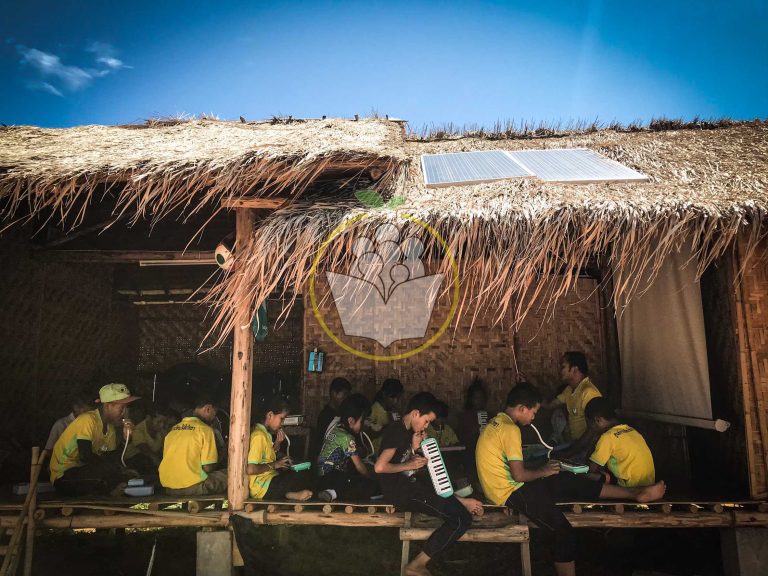
Rai Som Education Center provides basic education managed by a private organization.
According to the Ministry of Education regulations on the rights of communities and private organizations to manage basic education in education centers (B.E. 2555 / 2012), the Chiang Mai Primary Education Service Area Office 3 has granted permission for basic education to be managed by a private organization.
The education center has been assigned the school code 0350030001, with the permission officially announced on February 13, 2020.
The private organization managing the education center is The Mirror Foundation, registered under the foundation registration number ชร 67/2547, with the registration announced on July 26, 2004.
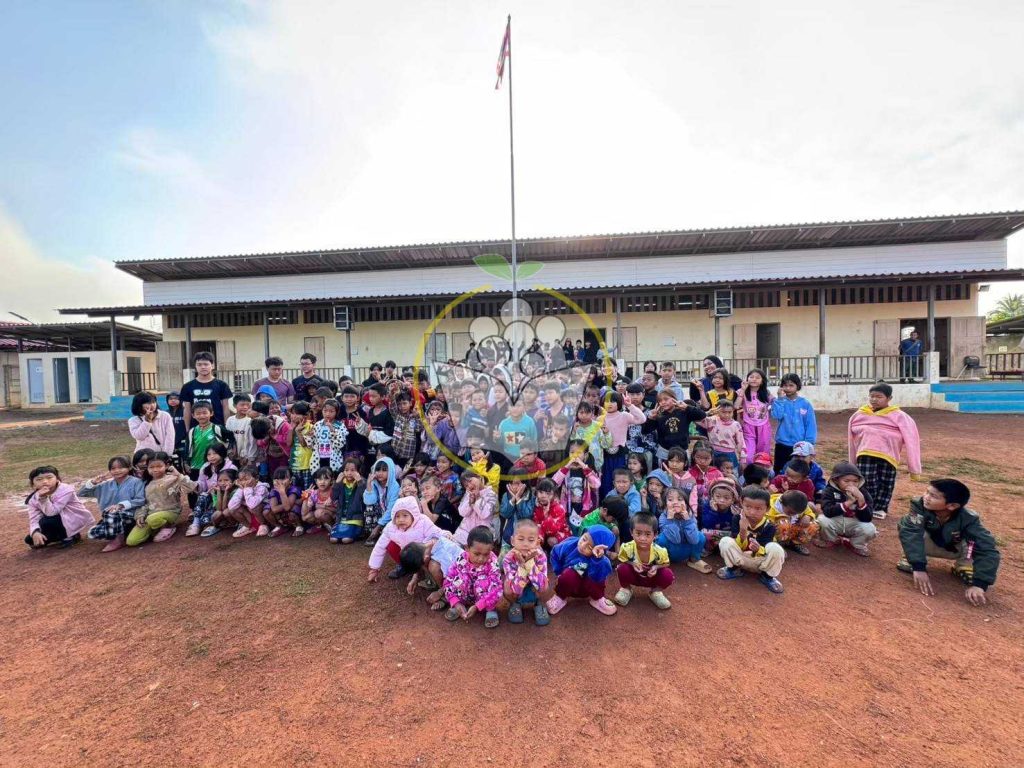
1. Develop diverse life skills curricula tailored to learners based on community-based learning.
2. Enhance teachers’ skills in facilitating participatory learning.
3. Create a learning environment grounded in safety for children.
4. Protect and uphold human rights to reduce social inequalities.
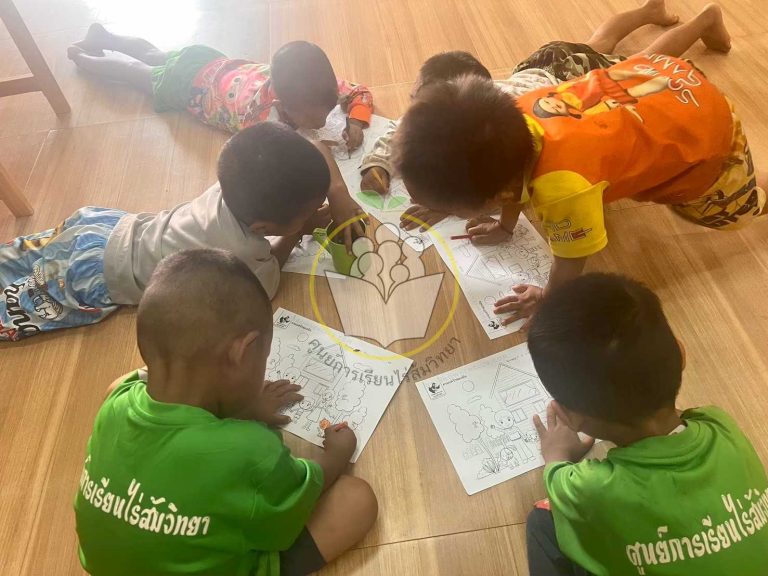
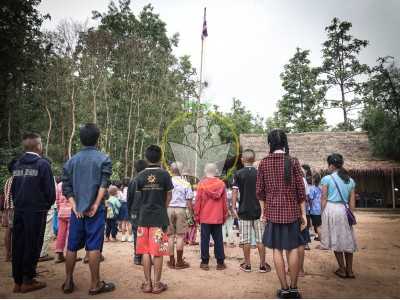
To provide basic education for all children within and outside the service area, especially those who have dropped out of the formal education system or are in difficult circumstances in remote areas. These children will receive comprehensive, quality, and standardized education according to the curriculum through experiential learning based on the local ecology, culture, and community environment.
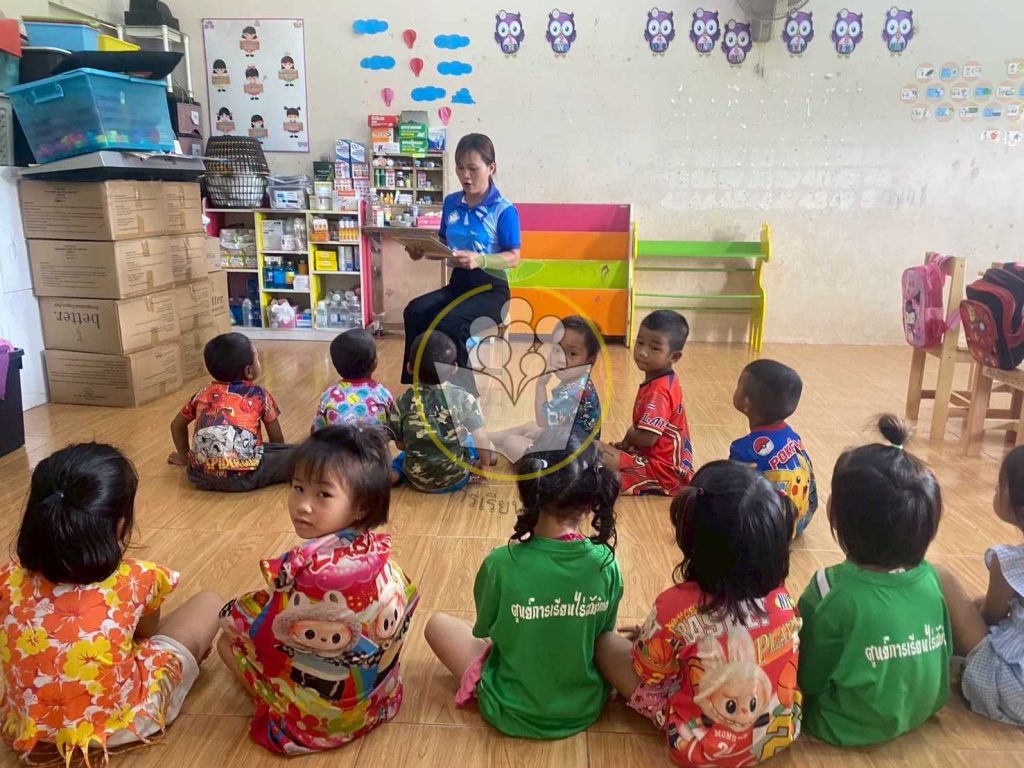
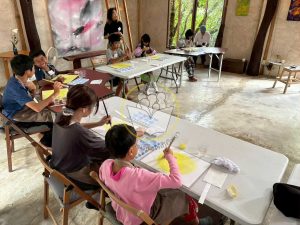
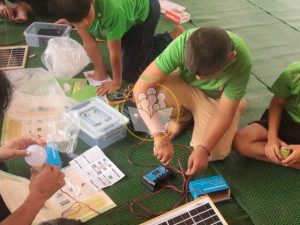
- Active Learning and Life Skills
- Learners experience happiness.
- Learners are engaged and focused on their learning.
- Learners are able to persistently participate in activities.
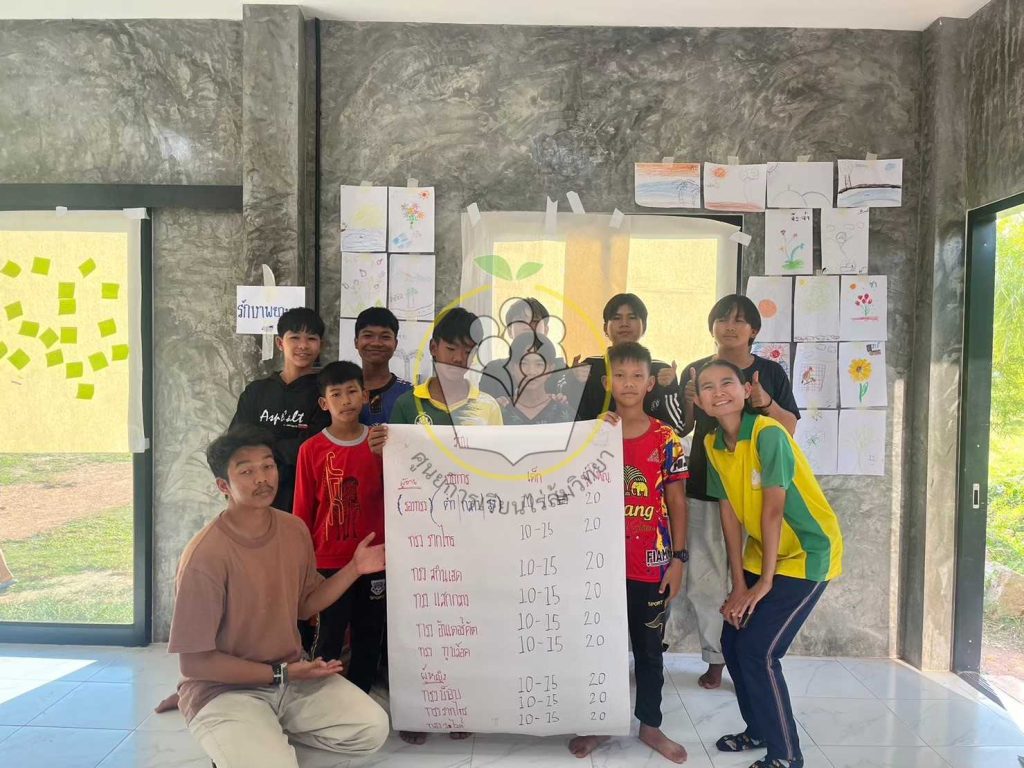
Active Learning and Academic Skills
Learners reflect on their knowledge and identify areas for improvement.
Learners recognize the connections between key concepts learned in each subject.
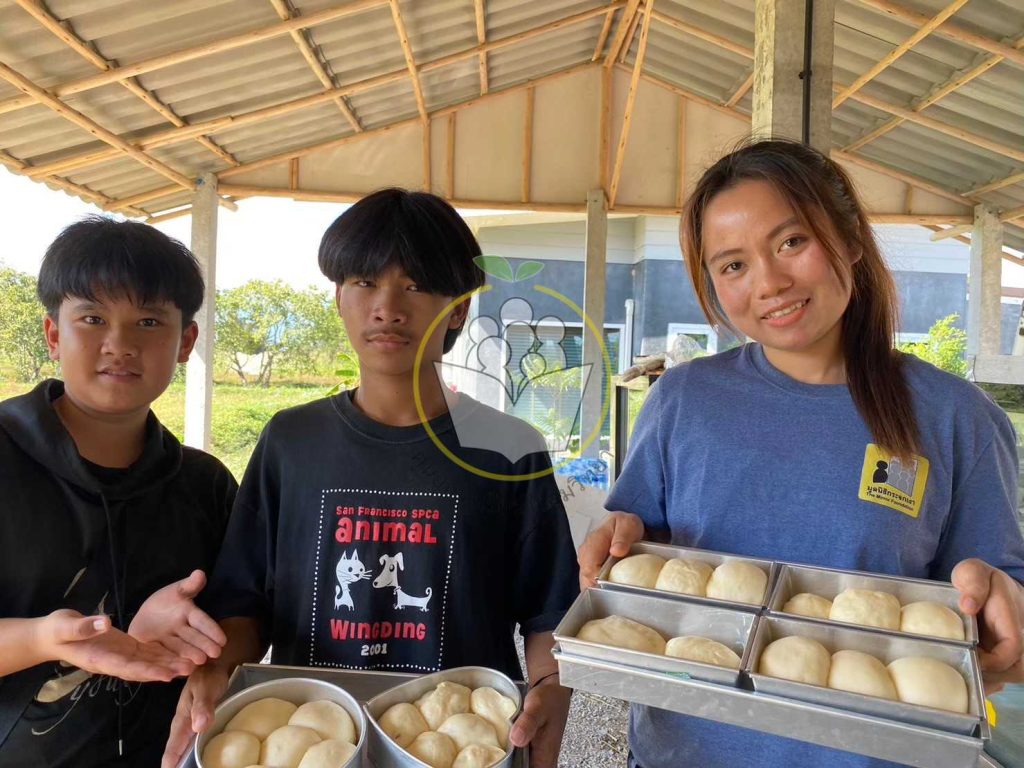
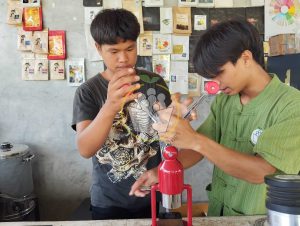
- Learning on the Job and Vocational Skills
- Learners begin to gain hands-on work experience while simultaneously learning. Their real-world experiences become the core of their learning process and skill development.